
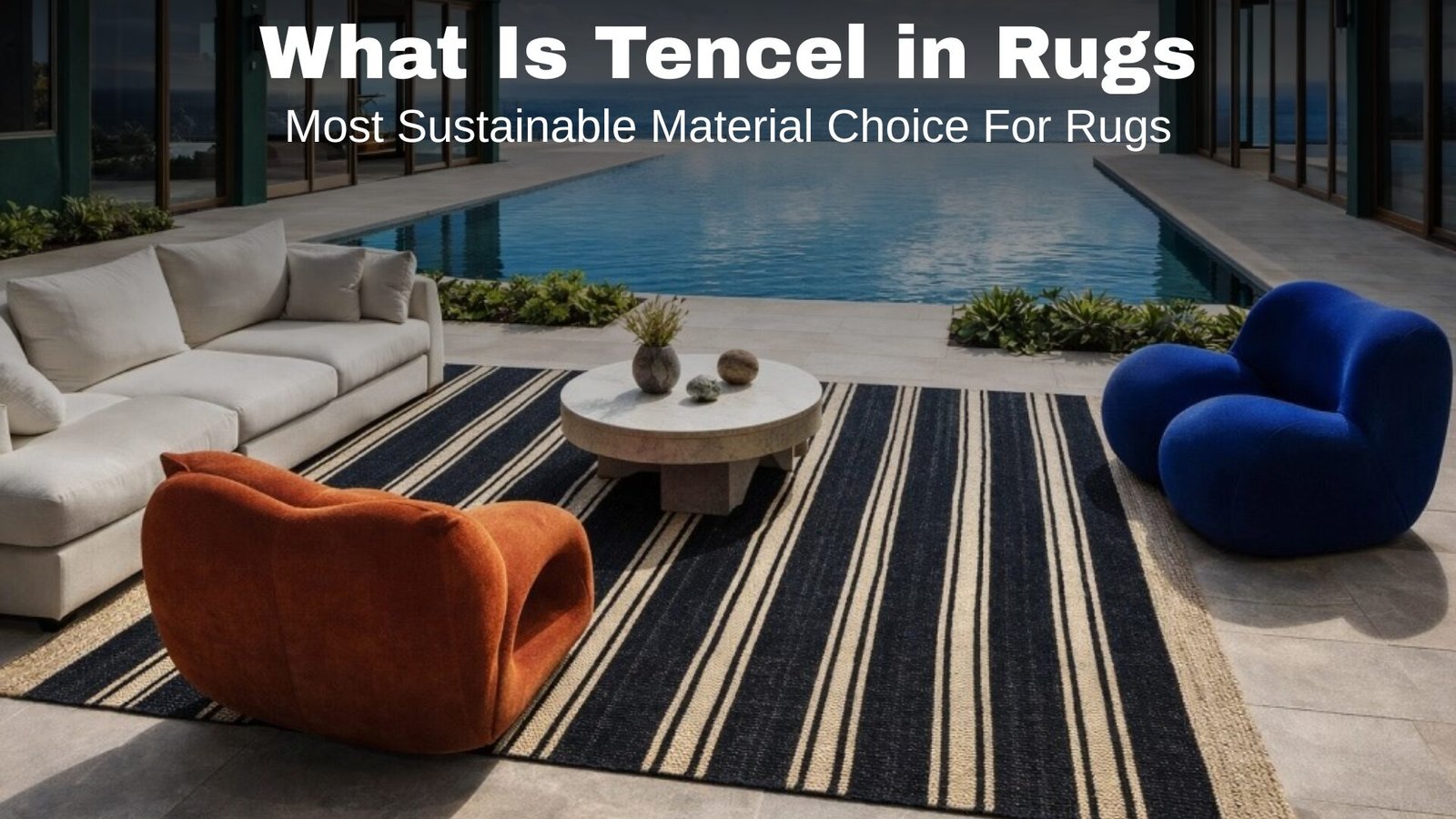
What Is Tencel in Rugs? Is It the Most Sustainable Material Choice for 2026?
The global rug industry is historically one of the world’s most resource-heavy and chemically intensive textile sectors. But as we move through 2026, a revolutionary botanical fiber called Tencel is definitively changing that narrative, proving that you no longer have to compromise the earth to achieve breathtaking, silk-like luxury in your home.
What is a Tencel rug? Tencel is a premium, sustainably produced lyocell fiber made from responsibly harvested wood pulp using a closed-loop manufacturing process that recycles 99.8% of water and solvents. In a rug, Tencel looks and feels almost identical to pure silk, offering a luxurious sheen and incredibly soft, cooling texture underfoot. It is widely considered the most sustainable luxury rug material available today, offering vibrant color absorption while remaining fully biodegradable at the end of its life.
Table of Contents
What is Tencel? The Science Explained Simply
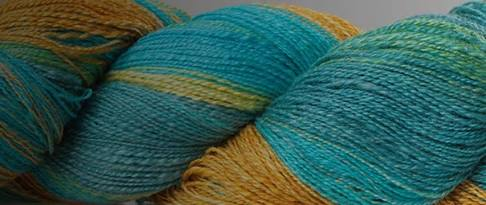
To understand why a Tencel rug India is becoming the ultimate request among eco-conscious interior designers, we must look at the science of its creation.
Trademarked by the Austrian company Lenzing AG, Tencel™ is the premier brand name for a specific type of lyocell fiber. At its core, it is a cellulose-based fiber, meaning it is derived directly from nature—specifically from the wood pulp of sustainably grown eucalyptus, beech, and spruce trees.
The true magic of Tencel lies in its revolutionary “closed-loop” production process. The harvested wood pulp is dissolved in a non-toxic organic solvent to create a liquid cellulose mixture. This mixture is pushed through tiny spinnerets to form long, continuous, incredibly strong fibers.
Instead of flushing this chemical soup into local waterways—a notorious and devastating problem in conventional textile manufacturing—Lenzing’s system captures, recycles, and reuses more than 99.8% of the solvent and water.
The Water Usage Comparison:
- Conventional Cotton: Requires immense amounts of water to grow—up to 2,700 liters just to produce enough fiber for a single t-shirt.
- Conventional Viscose: Requires harsh chemicals and heavy water usage during processing.
- Tencel: Consumes up to 50% less water than generic lyocell and drastically less than cotton, with a carbon footprint that leaves traditional synthetic fibers far behind. Lenzing
Tencel vs Viscose: What’s the Real Difference?
When comparing a Tencel vs viscose rug, it is easy to get confused because both are regenerated cellulose fibers—meaning they both start as wood pulp and both offer a beautiful, silky sheen. However, their environmental impact is radically different.
Viscose (often called rayon) relies on highly toxic chemicals, such as carbon disulfide, to dissolve the wood pulp. In many manufacturing facilities globally, the process is “open-loop,” meaning these toxic chemicals and heavy metals can escape into the atmosphere and local waterways.
Tencel’s closed-loop process replaces these harsh chemicals with a non-toxic amine oxide solvent, resulting in a cleaner, stronger, and fundamentally greener fiber.
Environmental Impact Comparison
| Material | Raw Source | Production Process | Water & Chemical Waste | End of Life |
|---|---|---|---|---|
| Tencel (Lyocell) | Sustainably farmed wood pulp | Closed-loop (Non-toxic) | Minimal (99.8% recycled) | 100% Biodegradable & Compostable |
| Viscose (Rayon) | Wood pulp (often uncertified) | Open-loop (Harsh chemicals) | High chemical & water runoff | Biodegradable (but processing is toxic) |
| Wool | Sheep fleece | Natural shearing & spinning | Moderate (depends on dye process) | 100% Biodegradable |
| Synthetic (Nylon/PET) | Petroleum / Plastics | Chemical synthesis | High carbon footprint | Non-biodegradable (unless recycled PET) |
What Does Tencel Feel Like in a Rug?
You don’t just buy a rug for its environmental credentials; you buy it for how it transforms a room. Tencel is renowned for its extraordinary tactile and visual properties.
- Silky Sheen: When you walk past a Tencel rug, the fiber catches and reflects light beautifully. To the untrained hand, a high-quality Tencel pile is almost indistinguishable from pure silk. It elevates the visual weight of a room instantly. Jacaranda Carpets
- Slightly Cool Underfoot: Unlike wool, which retains heat and feels deeply warm, Tencel is naturally breathable and cool to the touch. This makes it an exceptionally comfortable surface during the sweltering Indian summer months.
- Drapes Beautifully: Tencel fibers are incredibly fluid. In hand-tufted, cut-pile designs, the yarn falls and sweeps elegantly, allowing for a dynamic, shifting texture that looks impossibly luxurious.
The Pros of a Tencel Rug
If you are specifying eco friendly rugs India 2026, Tencel offers advantages that very few other materials can match:
- Unmatched Sustainability: It is derived from renewable wood sources, manufactured with near-zero waste, and is fully biodegradable and compostable at the end of its life cycle. Lenzing
- Accessible Luxury: It provides the radiant, luminous look of pure mulberry silk but at a significantly more accessible price point.
- Allergy-Friendly & Hygienic: Tencel is naturally moisture-wicking. By efficiently absorbing moisture and releasing it into the atmosphere, it creates a drier microclimate within the rug pile. This naturally inhibits the growth of dust mites and odor-causing bacteria without the need for chemical additives. Lenzing+ 1
- Vibrant Dye Absorption: The smooth surface of the Tencel fiber absorbs dye deeply and evenly, resulting in rich, saturated, and highly brilliant colors that remain vibrant over time. sisalcarpet.com
The Cons of a Tencel Rug (An Honest Assessment)
At The Wovara, we believe in complete material transparency. While Tencel is breathtaking, it is not indestructible, and it is not the right choice for every single room in your house.
Summit International Flooring
- Lower Durability in High Traffic: Tencel is a delicate, luxury fiber. It is not as inherently resilient as Indian Wool or New Zealand Wool. In heavily trafficked arteries of the home (like a main hallway or an entry foyer), it will show wear faster. sisalcarpet.com+ 1
- Prone to Flattening: Because the fibers are so soft and silky, a 100% Tencel pile can crush or flatten under the weight of heavy furniture or constant footfalls, a phenomenon sometimes called “pooling” or “watermarking.”
- Moisture Sensitivity: While it manages ambient room humidity well, Tencel is highly sensitive to liquid spills. If soaked, the fibers become fragile and can distort if aggressively scrubbed. It is absolutely not suitable for outdoor use, damp basements, or bathrooms. Summit International Flooring
Where Tencel Rugs Shine: Best Rooms and Applications
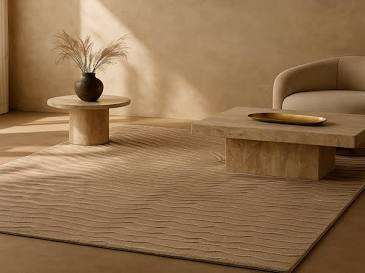
To maximize the lifespan and beauty of this sustainable rug material India, placement is everything.
- The Bedroom: This is the ultimate sanctuary for a Tencel rug. It is a low-traffic zone where you frequently walk barefoot. The cooling, silky, allergy-friendly nature of the fiber makes it the perfect surface to step onto first thing in the morning.
- The Home Office: A Tencel rug under a desk adds a layer of immense sophistication and quiet luxury to a professional space. Because foot traffic is generally limited to one user, maintenance remains highly manageable.
- The Formal Dining Room: Tencel provides a beautiful sheen that reflects chandelier lighting exquisitely. Because it has a smooth, sleek surface, dining chairs slide easily over a low-pile Tencel rug, making it an elegant and relatively easy-to-clean foundation for formal entertaining. sisalcarpet.com
Tencel Blended with Wool: The Best of Both Worlds
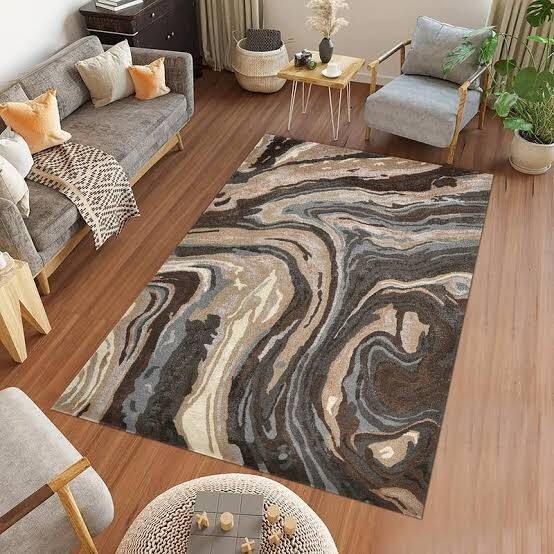
For interior designers who want the structural durability of wool but the radiant luxury of silk, blending the two fibers is the ultimate architectural solution.
By weaving a foundation of sturdy wool and using Tencel to highlight specific design elements, we create rugs with incredible dimensional depth. The wool acts as the strong, springy backbone that prevents the rug from flattening, while the Tencel acts as the visual highlight, catching the light and creating a striking contrast in texture.
The Wovara’s Custom Approach: In our bespoke collections, we frequently utilize Semi Worsted New Zealand Wool blended with Tencel (such as in our signature Aaranya Hand Tufted collection). For example, we might weave a matte, charcoal wool background and execute a sweeping botanical motif entirely in luminous silver Tencel. This hybrid approach guarantees that the rug withstands the daily rhythm of a modern Indian home while delivering an uncompromising, high-end aesthetic.
How to Care for a Tencel Rug
Proper maintenance will significantly extend the life and luster of your eco-friendly investment.
- Vacuuming: Vacuum weekly using a suction-only setting. Never use a rotating beater bar or a stiff brush attachment, as this will aggressively pull, fuzz, and damage the delicate Tencel fibers.
- Spot Cleaning: Address spills immediately. Blot the liquid gently with a clean, dry, undyed cotton cloth. Do not rub or scrub, as friction will permanently distort the pile direction and texture. If a stain persists, use a minimal amount of water and a pH-neutral cleaner specifically designed for cellulose fibers.
- Professional Cleaning: Have the rug professionally cleaned every 12 to 18 months by experts who specialize in delicate, natural-fiber textiles. Standard steam cleaning or harsh chemical extraction methods used for synthetic carpets will ruin a Tencel rug.
- What to Avoid: Keep the rug away from areas prone to standing water or constant dampness.
Frequently Asked Questions
Is Tencel better than viscose for rugs? Yes, Tencel is significantly better than traditional viscose for rugs, primarily due to its environmental impact. While both offer a similar silk-like sheen and softness, Tencel is produced using a sustainable, closed-loop process that recycles 99.8% of its solvents, whereas viscose relies on toxic chemicals that pollute the environment. Tencel also tends to be slightly stronger and sheds less than lower-grade viscose.
Is Tencel sustainable? Tencel is widely regarded as one of the most sustainable textiles available today. It is derived from responsibly managed wood sources, manufactured with significantly less water and energy than cotton, utilizes a non-toxic closed-loop solvent system with zero waste, and is fully biodegradable and compostable at the end of its life cycle.
How do I clean a Tencel rug? You should clean a Tencel rug by vacuuming it regularly using a suction-only attachment without a beater bar. For liquid spills, blot the area immediately with a clean, dry white cloth without rubbing, as friction will damage the fibers. For deep cleaning, always hire a professional rug cleaner who specializes in delicate cellulose fibers.
Does Tencel rug shed? Like all spun natural fibers, a new Tencel rug will experience some light shedding during the first few months of use. However, because Tencel fibers are long and strong, it sheds significantly less than short-staple wool or cheap viscose. Regular, gentle vacuuming will safely remove these initial loose fibers.
Is Tencel rug good for bedroom? A Tencel rug is an exceptional choice for a bedroom. Because bedrooms are low-traffic areas, the rug will not be subjected to heavy wear and tear. The fiber is incredibly soft and cool to the touch, making it luxurious for bare feet, and its natural moisture-wicking properties make it highly resistant to dust mites and bacteria.
sisalcarpet.com
Ready to experience the future of sustainable luxury?
At The Wovara, we are proud to weave the world’s most innovative botanical fibers into our heritage designs. Explore the luminous beauty and eco-conscious engineering of our Tencel Material Collections, or utilize our Custom Rugs in India portal to build a bespoke Tencel and Wool blend perfectly tailored to your space and your values.