
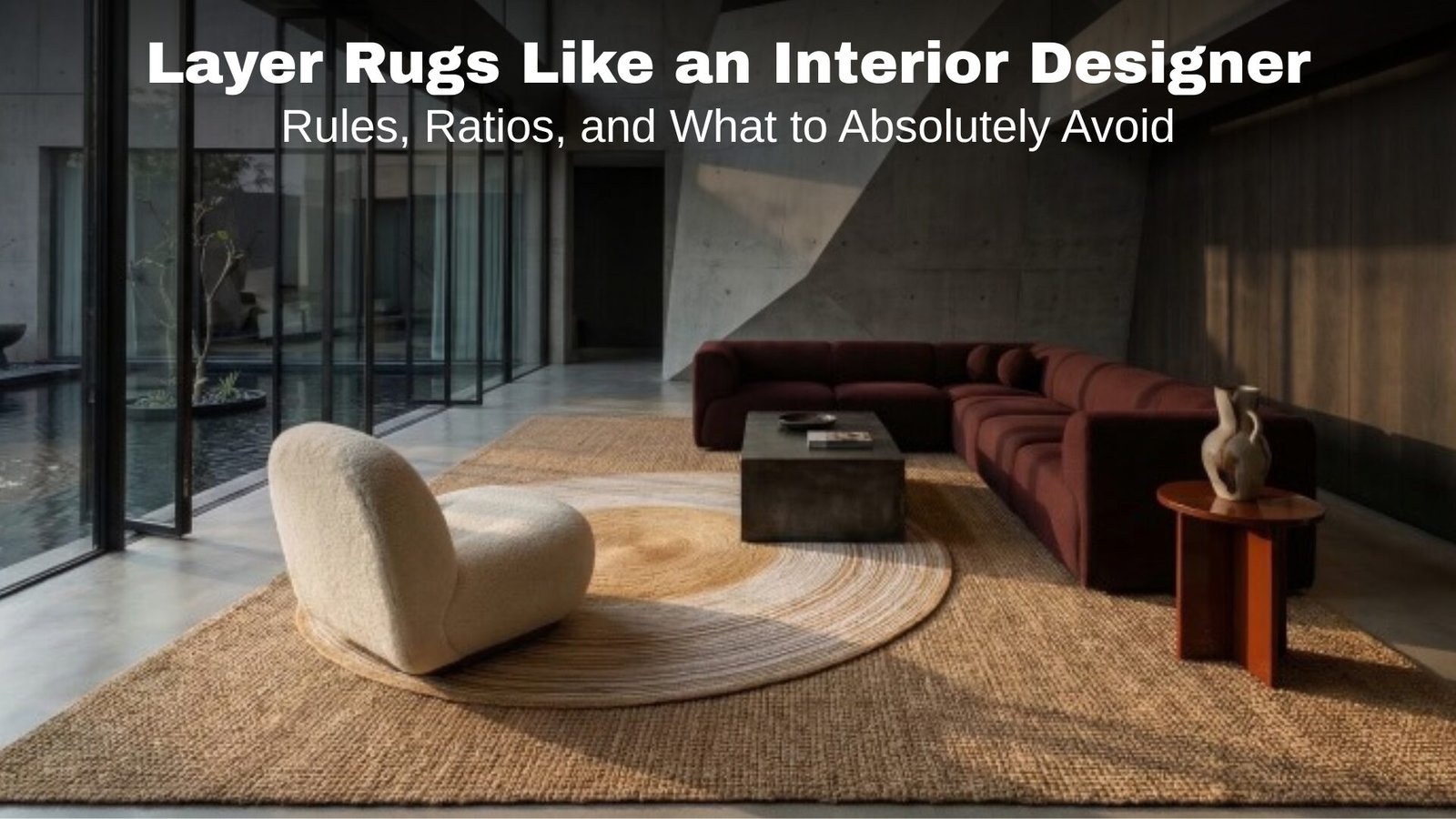
How to Layer Rugs Like an Interior Designer: Rules, Ratios, and What to Absolutely Avoid
Layering rugs used to be an accident a quick fix to hide a stubborn floor stain or a desperate attempt to stretch a tiny, inherited Persian rug across a modern living room. Today, the “rug on rug” trend is a deliberate, high-fashion styling secret. With the vast open-plan layouts and rich textile heritage of Indian homes, there is no better canvas in the world to master this layered look.
Rug layering is the design technique of placing a smaller accent rug over a larger base rug to add visual depth, texture, and structural grounding to a room. To layer successfully, the base rug must extend at least 30cm (12 inches) beyond the accent rug on all sides. Always contrast textures like a flatweave under a plush tufted pile and keep bold patterns to only one layer. Do not layer rugs if the room is too small, as it will look visually cluttered and shrink the space.
Table of Contents
Why Layer Rugs At All?
As an interior designer, I rarely leave a floor single-layered if I can help it. Here are four compelling reasons why this technique transforms a space:
- It Adds Deep, Architectural Dimension: A flat floor can make a room feel boxy. Layering introduces a 3D landscape to the room, creating an incredibly rich, curated, and highly styled aesthetic.
- It Solves the “Too Small” Rug Problem: You fell in love with a stunning, vintage 5×7 silk rug, but your massive living room requires an 8×10. The solution? Buy a neutral 8×10 jute or dhurrie base and float your masterpiece on top.
- Seasonal Style Refreshes: Buying a massive, room-sized rug is an investment. By keeping the large base neutral, you can swap out the smaller top layer seasonally—a bright floral in spring, a deep, moody geometric in winter—without breaking the bank.
- Zone Definition: In the sprawling open-plan apartments of Mumbai or Bengaluru, a layered setup creates a distinct “room within a room,” clearly separating the primary lounge from the dining or reading area.
The 5 Golden Rules of Rug Layering
If you just throw two rugs on the floor, it looks messy. Follow these five non-negotiable rules to make it look intentional.
Rule 1: The Ratio Guide
The base rug must be significantly larger to act as a proper “frame.” The golden rule is that the base rug should extend at least 30cm (12 inches) beyond the accent rug on all four sides. If the margins are too tight, the rugs look like they are competing rather than complementing each other.
Rule 2: Contrast Textures (Not Just Colours)
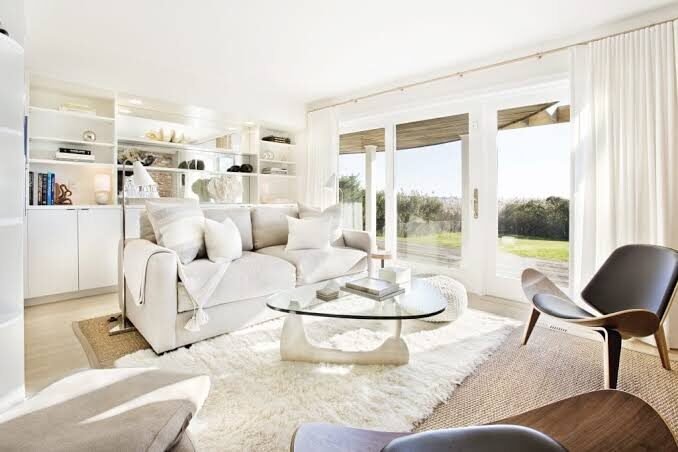
This is the secret sauce. Two high-pile wool rugs layered together look like a lumpy tripping hazard. You must contrast the physical weave. Put a flatweave (like a Dhurrie or Jute) on the bottom, and a plush, textured pile (like a hand-tufted wool or Tencel) on top.
Rule 3: Size the Accent Rug Correctly
The accent rug must be noticeably smaller. Never layer two 8×10 rugs slightly offset from each other—it looks like a mistake. The top rug should encompass the core of the seating area (e.g., just under the coffee table), while the base rug stretches under the sofa legs.
Rule 4: Keep Pattern Complexity on One Layer Only
If your base rug is a loud, highly patterned geometric, keep the accent rug completely solid. If your base rug is a quiet, neutral oat-coloured handloom, then let the accent rug be a wild, intricate Persian motif. Busy + Quiet = Chic. Busy + Busy = Chaos.
Rule 5: Anchor the Layers
Safety first. The top rug will inevitably slide or wrinkle if left unsecured. You must use double-sided rug grip tape between the two layers, and a heavy-duty non-slip underlay beneath the base rug to keep the entire setup anchored to your marble or wood floor.
The Best Rug Combinations for Layering
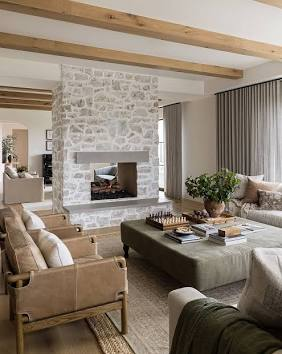
Wondering how to layer rugs India style? Here are my favourite visual combinations to specify for clients:
- Casual Boho: A natural, un-dyed flatweave Dhurrie base + a brightly coloured, hand-tufted wool accent rug.
- Eclectic Luxury: A chunky jute flatweave base + a highly intricate, hand-knotted Mughal or Persian accent rug.
- Contemporary Chic: A tonal, grey handloom base + a bold, abstract geometric accent in deep jewel tones.
- Japandi Meets India: A completely solid, low-pile New Zealand Wool base in warm sand + a monochromatic, subtly patterned dhurrie floated on top.
Room-by-Room Layering Guide
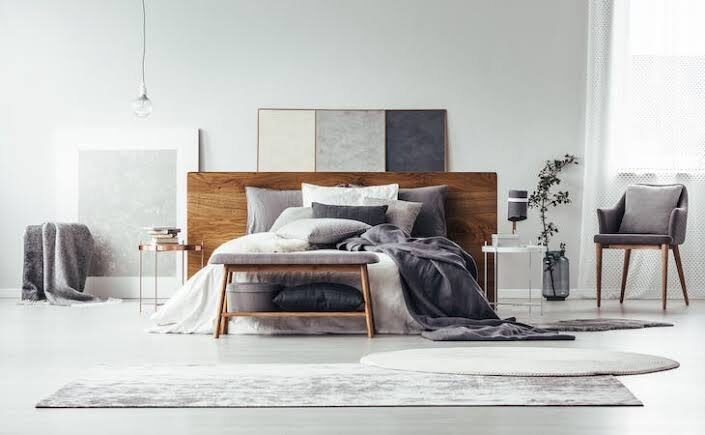
The Living Room
The most common place for the “rug on rug trend 2026.” The large base rug (usually 8×10 or 9×12) should have the front legs of your sofa and accent chairs resting on it. The smaller accent rug (usually 5×7 or 6×9) should be centered entirely under the coffee table, floating just in front of the sofa.
The Bedroom
To create ultimate underfoot luxury, place a massive base rug horizontally under the bottom two-thirds of the bed. Then, layer a smaller, incredibly plush accent rug (like a Tencel blend) either at the foot of the bed or off to one side where you step out in the morning.
The Study or Reading Nook
Here, you can break the symmetry rules. Place a medium-sized handloom rug down, and angle a smaller, oddly shaped accent rug (like a faux hide or an organically shaped biophilic tufted rug) diagonally underneath your reading chair.
Colour and Pattern Rules for Layering
When working out your palette, stick to these two distinct interior design routes:
- The Analogous Route (Cohesive & Calm): Choose two rugs in the same colour family but different shades. A dark charcoal wool base with a pale dove-grey accent rug creates a seamless, highly sophisticated look.
- The Contrasting Route (Bold & Dramatic): Use a quiet, neutral base (like sand or beige) to frame a wildly colourful, jewel-toned top layer. The base acts like the white matting in a picture frame, making the top rug pop.
What to Absolutely Avoid (The 6 Mistakes)
As a stylist, these are the visual crimes I see that instantly ruin the layered look:
- Both rugs are the same size: It just looks like you couldn’t decide which rug to use, so you stacked them.
- Clashing patterns of equal weight: A heavy floral over a heavy geometric will give your guests a migraine.
- Slippery silk on slippery marble: If you put a lightweight viscose rug over a smooth base rug on a marble floor without grip tape, it is a literal slip-and-slide hazard.
- Ignoring the furniture anchor: The layered rugs must still relate to the furniture. Don’t just layer them in the dead center of the room if the sofa is off to the left.
- Going too “matchy-matchy”: If the base rug and the accent rug look exactly the same in texture and color, the layering is pointless because you can’t see the depth.
- Layering in a tiny room: If your room is 10×10, do not layer rugs. It chops up the floor space visually and makes the room feel claustrophobic.
The Wovara Custom Layering Solution
The hardest part about layered rugs living room India is finding two off-the-shelf rugs that perfectly complement each other in exact sizing, texture, and colour. The ratios are almost always slightly off.
Because The Wovara builds everything to order, you can commission a perfectly engineered layered set. We can weave a massive 10×14 textural handloom base rug in exact proportion to a 7×10 hand-tufted statement rug. You control the pile heights to ensure they sit beautifully together, and we can match the exact yarn tones so your base and accent pieces are in total chromatic harmony.
Frequently Asked Questions
What size should layered rugs be?
The base rug should be significantly larger to act as a frame. The general interior design rule is that the base rug should extend at least 30 centimeters (12 inches) beyond the perimeter of the top accent rug on all sides. For a standard living room, a common combination is an 8×10 foot base rug layered with a 5×7 foot accent rug.
Can you layer two patterned rugs?
Yes, but it requires careful styling. To layer two patterned rugs successfully, the patterns must be of completely different scales. For example, a base rug with a very large, open geometric pattern can work under a top rug with a tiny, tight, intricate floral motif. However, it is generally much safer and more elegant to pair one patterned rug with one solid or textured rug.
What is the best combination for layering rugs?
The most foolproof and visually appealing combination for layering is contrasting a flat weave with a plush pile. The best setup is a large, neutral flatweave base (like a jute, sisal, or wool dhurrie) layered under a smaller, softer, highly patterned or brightly coloured rug (like a hand-tufted wool or a hand-knotted Persian).
How do I keep layered rugs from slipping?
To keep layered rugs secure, you must anchor them properly. First, place a high-quality, non-slip rubber underlay beneath the bottom base rug to secure it to the hard floor. Then, apply double-sided rug tape (specifically designed for textiles) between the bottom of the accent rug and the top of the base rug to prevent wrinkling and sliding.
Is rug layering suitable for Indian homes?
Absolutely. In fact, rug layering is ideal for Indian homes, which frequently feature sprawling open-plan layouts and cool, hard flooring like marble or tile. Layering adds much-needed acoustic dampening, softens the hard architectural lines, and allows homeowners to incorporate traditional Indian flatweaves (like dhurries) alongside modern, plush contemporary pieces.
Ready to master the layered look with rugs designed specifically for your space?
Stop guessing with off-the-shelf sizes. Visit The Wovara Custom Design Portal to build a perfectly proportioned, bespoke layered rug set, or explore our Online Catalogue for textural inspiration.